Apple Watch Series 12: Is It Worth Upgrading for Calorie Tracking?
What is expected from the Apple Watch Series 12 in September 2026, what it would change for calorie tracking, and the honest case for keeping the watch you already own.
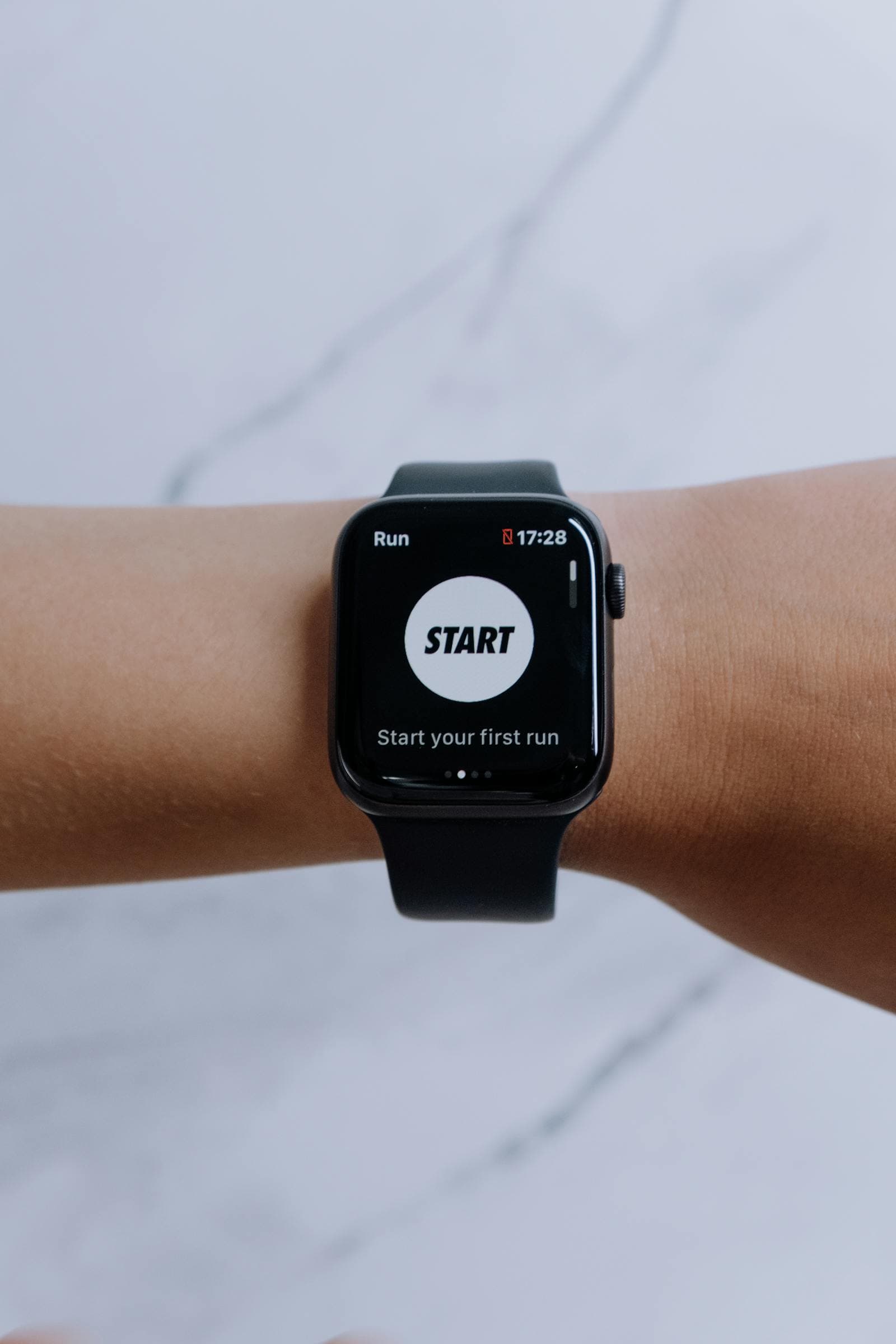
A new Apple Watch is expected in September, and the annual question arrives with it: will it track calories better than the one on your wrist? Based on what is being reported, the honest answer is that this is a modest year, and calorie accuracy is not where the improvement lands.
The short version
- Expected September 2026, alongside the new iPhones and an Apple Watch Ultra 4.
- A new S12 chip and improved display efficiency are the most consistently reported changes.
- Price is expected to start somewhere around $399 to $429.
- Health sensors are disputed. One leak claims a sensor built into the band. Most reporting says no meaningful hardware change over the Series 11.
- Blood glucose is still not happening. It surfaces in rumours every year and has yet to ship.
- Most of the useful upgrade is watchOS 27, which is free.
None of the hardware details are confirmed. Everything below reflects reporting as of August 2026 and may be wrong.
What Is Actually Expected
An S12 chip and better efficiency
The safest prediction: faster performance, a more efficient display, and the usual incremental battery gains. Genuinely nice, entirely irrelevant to how many calories the watch thinks you burned.
A band with a sensor in it
The most interesting rumour, from leaker Kosutami, claims the Series 12 will ship with at least one health sensor built into the band itself, apparently limited to the standard silicone band. What it would measure has not been reported. If true it would be a first for Apple, and it would matter mostly as a signal of where the platform is heading rather than as a feature you would feel this year.
The redesign that is not coming
Reporting suggests a significant Apple Watch redesign is planned but is years away, so anyone waiting for a fundamentally different watch should keep waiting. There is also talk of a change to the band attachment system that would break compatibility with older bands, which is worth knowing if you have spent real money on straps.
Blood glucose
Non-invasive glucose monitoring appears in Apple Watch rumours every single year and has never shipped. It is a genuinely hard sensing problem. Do not plan a purchase around it.
What Any of This Would Change for Calorie Tracking
Almost nothing, and it is worth understanding why.
Your Watch estimates calories burned from three things: a basal rate calculated from the profile data you entered, movement from the accelerometer, and heart rate during effort. A faster chip does not improve any of those inputs. The sensors that feed them have been broadly similar for several generations, and the software that interprets them is updated free every autumn through watchOS.
Which is why the meaningful improvement this year is watchOS 27, not the Series 12. It brings better indoor distance accuracy and heart-rate refinements to watches people already own. If your goal is a more accurate burn number, install the update and keep your money.
When Upgrading Does Make Sense
There are decent reasons to buy a Series 12, they just are not calorie-related:
- You are on a Series 6 or older, where battery life and speed have genuinely degraded.
- Your battery no longer lasts a full day plus a night, which quietly kills sleep tracking.
- You want the brighter, more efficient display, or you are moving up from an SE.
And a reason to hold off: if the band attachment system does change, buying immediately means your existing straps may not carry over. Worth waiting for confirmed details on that one.
The Upgrade That Would Actually Move Your Numbers
If your goal is to lose or gain weight rather than to admire your data, the constraint is not the watch. Burn estimates are approximate but consistent, which means the trend is reliable even when the absolute figure is not. Intake estimates are approximate and inconsistent, because they depend on you remembering and being honest about every meal.
Nothing on your wrist fixes that. What fixes it is making food logging take five seconds instead of two minutes, so you keep doing it on the days you cannot be bothered. Bento Bunny is built for exactly that: type what you ate in plain words, snap a photo of the plate, or scan a barcode, and the AI returns calories and macros in seconds, written straight into Apple Health beside your Watch data. It is free to download, and on iOS 26 and later the AI runs on-device so meal photos stay on your phone.
Spend $429 on a watch that estimates your burn two percent better, or spend nothing on closing the gap on the side where the real error lives. See the Apple Watch calorie tracking setup guide for how to wire the two together.
The bottom line
The Apple Watch Series 12 looks like an efficiency-and-chip year with an intriguing but unconfirmed band sensor. For calorie tracking specifically, the free watchOS 27 update does more than the new hardware would. Upgrade if your current watch is genuinely old or the battery has given up. Otherwise, put the attention on the intake side, which is the half no Apple Watch has ever measured.
Frequently Asked Questions
When is the Apple Watch Series 12 coming out?
Will the Apple Watch Series 12 have new health sensors?
Is the Apple Watch Series 12 worth it for calorie tracking?
How much will the Apple Watch Series 12 cost?
Should I wait to buy an Apple Watch?
Start tracking with Bento Bunny
AI calorie tracking — just Type what you eat.